The Therapeutic Power of the Wide-Open Horizon
A quiet exploration of intentional emptiness and the restorative power of the wide-open horizon. Discover why your mind needs the luxury of space, silence, and the permission to simply be.
7 min read

The Allure of the Horizon
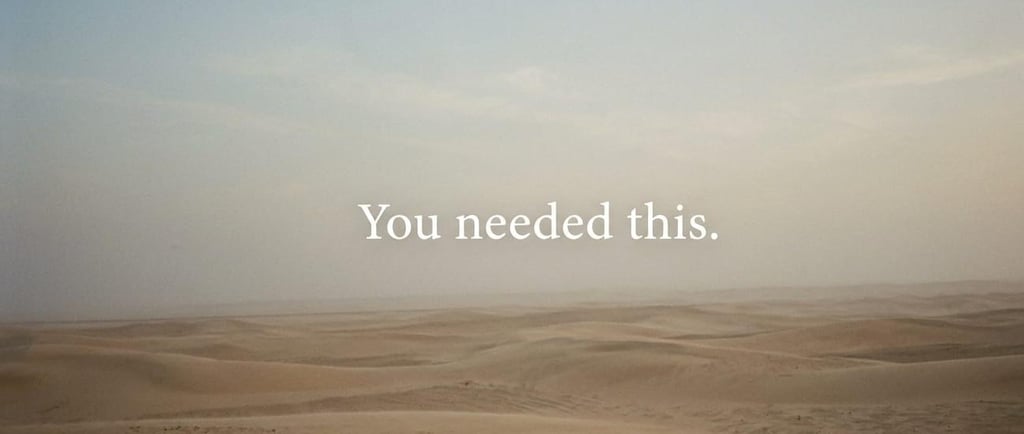
The beauty of wide-open horizons has a unique allure that captivates many individuals, providing a profound sense of tranquility and peace. As the eye traces the expanse where the earth meets the sky, one may experience a shift in perspective that alleviates the stresses of everyday life. This expansive view serves as a reminder of the world's vastness, allowing individuals to momentarily escape the chaos that often defines urban existence.
Gazing at horizons not only stimulates awe but also taps into an intrinsic human desire for connection with nature. These panoramic vistas foster an appreciation for the natural environment, sparking a sense of belonging within the broader context of the universe. The emotional response elicited by such views often manifests as a calming effect, as individuals find themselves enveloped by the serenity that only open spaces can provide. As one stands before an unbroken line of distant mountains or a tranquil sea, there is an innate invitation to pause, breathe, and fully immerse oneself in the present moment.
The experience of observing a horizon goes beyond mere visual appeal; it engages the senses, enhancing overall well-being. The gentle caress of the wind, the shifting colors of the sky, and the harmonious sounds of nature combine to create an immersive encounter that soothes the soul. Research has shown that such connections to nature can reduce stress levels and improve mental health, reinforcing the therapeutic benefits of open vistas.
In summary, the allure of wide-open horizons lies in their ability to evoke tranquility and a sense of connection to the natural world. In an increasingly fast-paced society, these expansive views invite us to take a step back, offering solace and renewal in the beauty of what lies beyond our immediate surroundings.
Visual Exhale: The Art of Empty Spaces
In an age characterized by relentless stimuli and constant engagement, the importance of wide-open spaces as a therapeutic retreat cannot be overstated. The concept of visual exhalation encapsulates the idea that simplicity in our surroundings can foster a profound mental release. Embracing empty spaces allows us to step back from the clutter that modern life imposes upon us, offering a much-needed reprieve for our minds.
The art of visual simplicity is effectively illustrated through the use of muted tones and imperfect framing in various forms of design and photography. These elements collectively create an atmosphere of calm, encouraging the viewer to pause and reflect. The absence of overwhelming detail provides a rich opportunity to experience a visual exhale; it is, in essence, a moment where the mind can genuinely unwind. When we encounter such spaces, our mental clutter begins to dissipate, replaced with a refreshing sense of clarity.
Furthermore, this therapeutic process is amplified when we appreciate the intrinsic beauty found in less. By directing our focus toward simplified elements, we cultivate an understanding that beauty is often present in the mundane. This, in turn, allows us to cultivate greater mindfulness, a practice increasingly vital in our fast-paced world. Wide-open horizons and empty spaces not only serve as a visual break but also offer an invitation to explore our inner landscapes with newfound appreciation.
In conclusion, the therapeutic power of wide-open spaces transcends mere aesthetics. Through the lens of visual exhalation, we uncover a vital practice that nurtures mental well-being by encouraging us to cherish simplicity. The art of visual emptiness ultimately empowers us to lead more balanced and fulfilled lives amidst the complexities of contemporary living.
Embracing Imperfection: The Beauty of the Off-Center Frame
In the realm of visual art and nature, the concept of beauty has often been dominated by traditional ideals that favor symmetry and centricity. However, the off-center frame presents a compelling alternative, one that invites viewers to embrace imperfection. The aesthetic value of compositions that do not adhere to conventional standards can provoke deeper emotional responses and reflections, fostering a more authentic connection to the subject matter.
Off-center compositions challenge our ingrained perceptions of beauty, urging us to reconsider what makes an image captivating. By intentionally placing the focal point off-center, artists provide a sense of balance that is not reliant on perfection. This deviation from the norm can evoke feelings of spontaneity and originality, allowing observers to engage with the artwork or landscape on a much more personal level. Here, the viewer is not merely a passive observer; they become an active participant, drawn into the narrative the artwork conveys.
Embracing imperfection encourages introspection and a more profound appreciation of the complexities of life itself. It reflects the notion that beauty exists in the unconventional, that flaws can enhance the story that each piece of art or scene tells. Similarly, the imperfections found in nature, the asymmetry of a flower’s petals, or the uneven line of a mountain range, underscore the unique narrative of authenticity and resilience.
Moreover, this appreciation for the off-center frame invites a critical examination of our own experiences. Just as life does not adhere to a perfect plan, art and nature can remind us that beauty often lies in the quirks and idiosyncrasies that define us. Thus, embracing imperfection can lead to transformative insights, ultimately enriching our understanding of beauty as multifaceted and deeply personal.
Restorative Power of the Void
The concept of emptiness, particularly as encountered in nature, plays a significant role in promoting psychological well-being. Engaging with wide-open spaces, such as vast landscapes or serene beaches, allows individuals to experience a form of restorative solitude that can lead to profound mental clarity. Emptiness can often be misinterpreted as a negative space; however, it serves as a canvas for introspection and rejuvenation.
When we interact with the void in nature, it encourages a break from the constant stimuli of urban life. This resetting mechanism can help alleviate the pressure of an overcrowded mind, facilitating a moment of stillness. Research suggests that environments characterized by vastness and minimal distraction can profoundly influence emotional states, enabling individuals to feel a deeper sense of peace and tranquility.
The psychological benefits are further supported by the concept of attention restoration theory (ART), which posits that nature has the ability to replenish our cognitive resources. In a landscape that offers a sense of space and void, individuals often report a reduction in stress, increased creativity, and enhanced mood. Such experiences emphasize the significance of allowing oneself to immerse in moments of quiet solitude, where the absence of distractions fosters an inner calm.
Furthermore, the emotional benefits of spending time in natural voids extend to personal reflection. With fewer external distractions, one can more easily connect with their thoughts and feelings, leading to insights that might otherwise remain buried under the noise of daily life. Taking the time to be in these serene environments not only resets the mind but can also catalyze personal growth and emotional resilience.
Acknowledging Our Burdens: The Weight We Carry
Each day, we navigate a multitude of responsibilities and expectations that can accumulate and weigh heavily on our emotional well-being. These burdens often manifest as stress, anxiety, or a sense of overwhelm, which can compromise our mental health. Acknowledging these feelings is crucial, as it allows us to confront the complexities of our human experience. We must recognize that the struggles we face are not isolated incidents but rather intrinsic elements of our journey.
The vastness of a horizon provides an inviting backdrop that encourages introspection. When we stand before an expansive landscape, we are offered the opportunity to reflect on our burdens with a sense of detachment. This panoramic view enables us to step back from our immediate circumstances, transforming our internal dialogue into an observational standpoint. Here, we can recognize our thoughts and emotions without self-judgment; they become part of the broader tapestry of our existence.
Engaging with nature facilitates this process, as it encourages a meditative state where our burdens can be contemplated in a safe, serene environment. The stillness inherent in these open spaces can soothe our frayed nerves, providing a respite from the chaos of daily life. By observing the horizon, we are reminded of the vastness of the world, prompting us to consider our place within it and the shared nature of human experiences.
In this way, the horizon serves as a symbol of both challenge and comfort, inviting us to acknowledge our burdens while fostering an environment of acceptance. As we explore the interplay between our inner struggles and the expansive exterior world, we cultivate a deeper understanding of ourselves and our capacity for resilience.
Silence as a Necessary Luxury
In a world characterized by constant noise and ceaseless activity, silence emerges not as a void, but as a precious resource imbued with clarity and introspection. Silence provides a unique opportunity for individuals to step back from the frenetic pace of modern life, allowing them to connect with their thoughts and emotions more deeply. This deliberate pause can catalyze self-discovery and mental wellness, revealing insights that may be obscured amidst the surrounding clamor.
Culturally, the value placed on silence varies significantly across societies. In many Western cultures, productivity often equates to busyness, leaving little room for moments of stillness. However, there is a growing recognition of silence as a crucial component of mental health. Embracing the absence of sound offers individuals the chance to reflect, recharge, and reset their mental state. Allocating time for silence can enhance creativity, improve focus, and foster a deeper understanding of oneself.
Practicing silence, especially in our fast-paced society, has profound implications for personal clarity. It encourages mindfulness, inviting individuals to be present in the moment without distractions. This conscious engagement with silence supports emotional regulation, reduces stress levels, and promotes overall psychological resilience. By allowing oneself to experience silence, individuals discover their inner voice, leading to more informed decisions and enhanced problem-solving capabilities.
In this context, silence should not be perceived as an absence of sound but rather as an enriching experience filled with potential for personal growth. Integrating moments of silence into daily routines can be viewed as an act of self-care, essential for maintaining mental balance amid life’s tumult. Ultimately, embracing silence serves as a necessary luxury that can significantly enhance emotional well-being and cognitive clarity.
From Nothingness to Clarity: Finding Focus in the Void
In a world bustling with constant stimuli and distractions, the vastness of wide-open horizons presents a unique opportunity for individuals to reconnect with themselves. The experience of being in nature, particularly in expansive settings, facilitates a process of mental uncluttering. This engagement with the environment allows for a serene reflection that can lead to greater clarity and focus.
When one stands before an unobstructed view, the overwhelming noise of everyday life can fade into the background. This transition from chaos to calm leads to a heightened awareness of one’s thoughts and feelings. The narratives we often tell ourselves about limitations or stresses begin to shift as we find space to breathe and think. In recognizing this transition, individuals can cultivate clarity, which is essential for personal growth and creativity.
Moreover, the act of immersing oneself in wide-open horizons encourages a sense of intentional living. As distractions diminish, it becomes easier to identify personal goals and aspirations that may have been obscured. By spending time in natural settings or open spaces, individuals can allow their thoughts to roam freely, often leading to innovative ideas or solutions that emerge organically from this mental void. This process harnesses the inherent therapeutic power of nature, reinforcing the idea that clarity is not just about eliminating distraction but about fostering an environment where focus can thrive.
Incorporating regular moments of solitude in nature into daily routines can thus serve as a counterbalance to the noise that pervades modern life. Engaging with wide-open spaces invites a transformative journey toward mental clarity, encouraging individuals to embrace the stillness that encourages profound creativity and focus.